Human Rights
At the heart of our sustainability strategy is our respect for human rights. As a core principle of our Code of Conduct, this affects us and all players of our supply chain. There, we have identified the high-risk areas that need to be addressed.
Involved Players
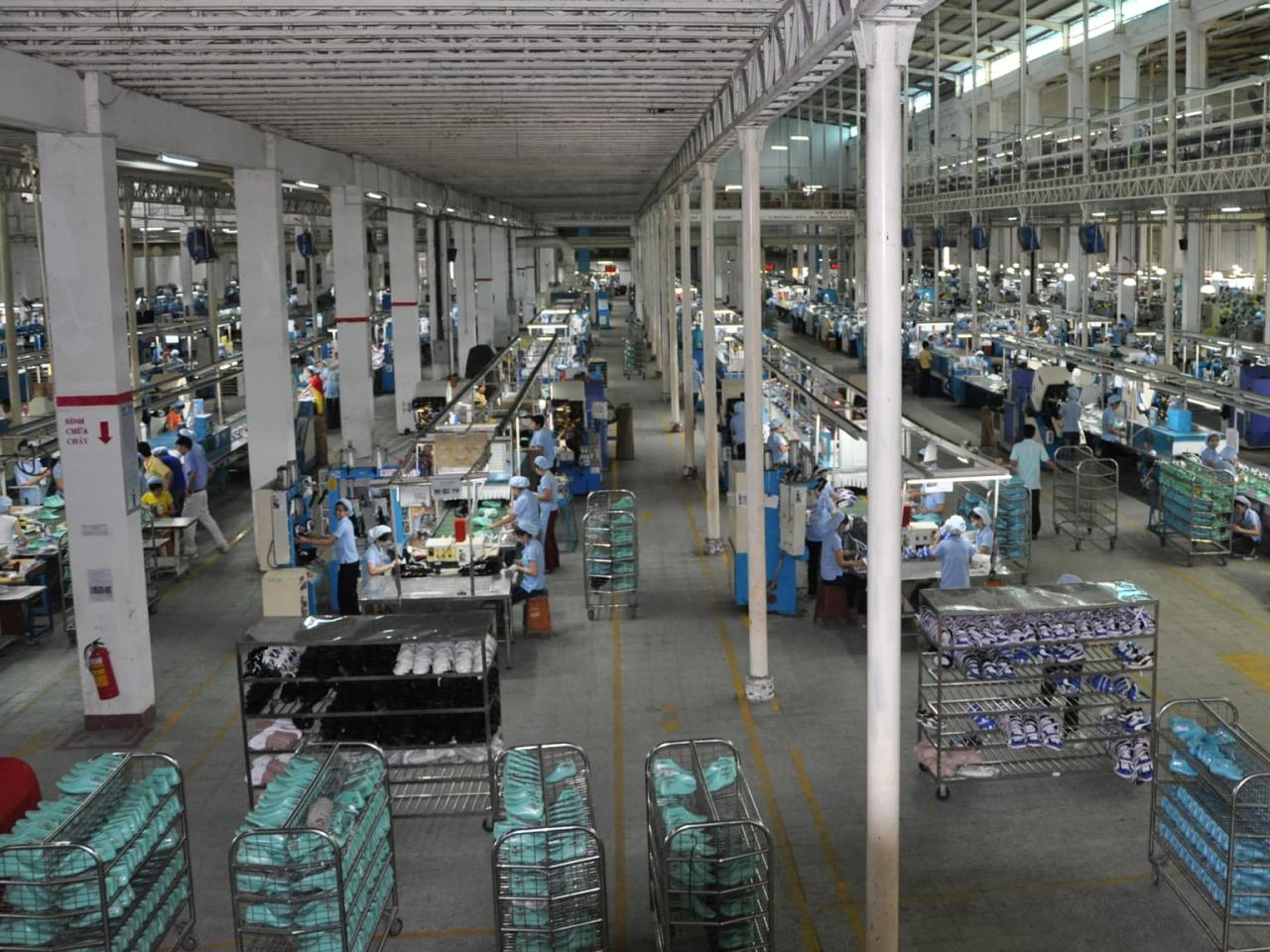
During the financial year 2025, PUMA International Trading GmbH (PIT) purchased from 141 independent suppliers in 27 countries worldwide. Asia was the strongest sourcing region overall with 95% of the total volume, followed by the EMEA with 3% and Americas with 2%. PUMA discloses 364 T1 factories (product manufacturers) representing around 91% of our apparel, footwear and accessory products business volume and 53 strategic T2 factories (material, component manufacturers) representing around 48% of our business volume.
Our Suppliers
{{city}}. {{country}}
PUMA also collaborates with the Open Supply Hub, an open-source map and database of global apparel facilities. We disclose our factory list with the factory name, address, product category and headcount on the Open Supply Hub platform.
Social Compliance
To make sure that our suppliers play along with our strict standards for working, social and environmental conditions, our PUMA Team and external partners audit the facilities on a regular basis.
Our Standards
Code of Conduct
Since 1993, PUMA’s Code of Conduct has set clear standards. PUMA’s supply chain partners agree to adhere to our Code of Conduct as soon as they enter a purchasing contract with us.